Wisdom for Investing
One of the quiet problems in modern-day America is that we've become uncomfortable with boredom.
If we're waiting in line at a coffee shop, sitting in traffic, between meetings or even in the middle of a meeting we instinctively reach for our phones. The supercomputer in our pocket offers constant stimulation. News, updates, notifications and a constant drip of dopamine.
We rarely allow ourselves to sit still long enough to be bored, or speak to the person next to us in line.

The irony is that truly successful investing has historically been a very boring exercise.
Not boring because it's unimportant, but boring because the most meaningful results rarely come from constant action or excitement. They often come from patience, restraint and letting time and compounding do what they've always done.

Significant wealth is typically built not through dramatic moves, but through steady ownership of strong businesses and the discipline to let them grow over years, often decades. And one of the most powerful ways to do that is by owning excellent companies that may not dominate headlines but quietly power everyday life.
Let's look at a few examples of these kinds of companies — names you've likely heard of, use regularly, but perhaps haven't thought of as boring winners that make them strong long-term businesses.
Take Visa:
Last year alone, Visa generated roughly $40 billion in annual revenue and processed approximately 257 billion transactions worldwide*. No need to invent a new technology here. That's hundreds of billions of everyday moments from grocery purchases, online orders, airline tickets, and coffee runs flowing through a payment network most of us tap without a second thought.
Visa isn't exciting in the way a new technology startup might be. It doesn't promise to reinvent the world every quarter. It simply sits at the center of global commerce, collecting a small toll on an enormous and growing volume of transactions. It's steady, scalable, and embedded into our daily life. Over time, that consistency compounds.

Then there's Costco:
(one of my favorite businesses in the world)
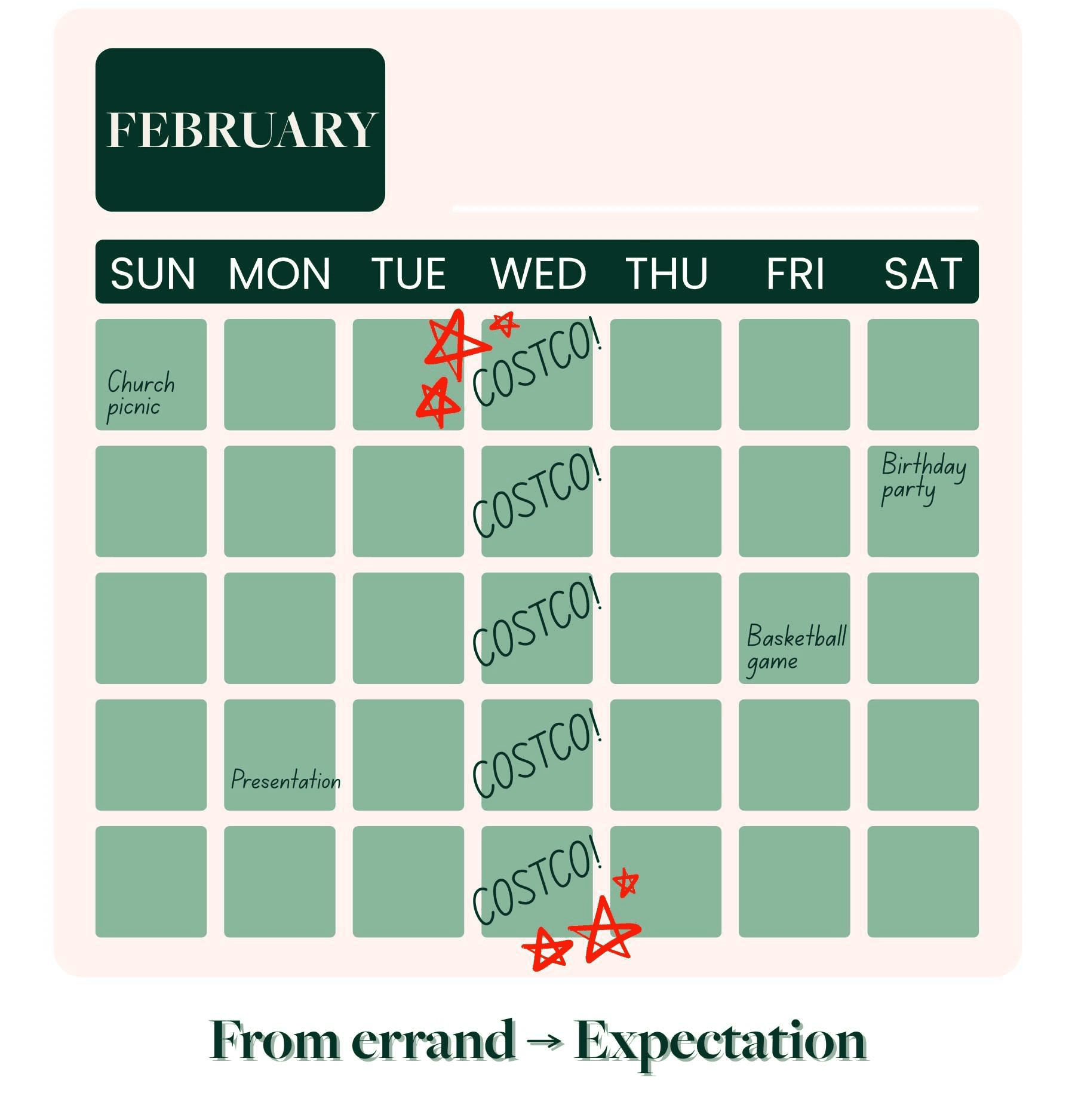
Costco now has approximately 145 million members worldwide, an astonishing figure when you consider that the membership is something people willingly pay for each year. In fiscal year 2025 alone, Costco generated roughly $5.3 billion in membership fee revenue**. This is nearly all recurring profit, a high-margin income before a single rotisserie chicken or pack of paper towels is sold.
The membership model is what makes Costco quietly powerful. It creates loyalty and repeat behavior. It creates predictable revenue. Many families plan weekly routines around Costco. Some of my friends will drive out of their way while on business trips to stop at one before heading home. That kind of ingrained consumer habit isn't flashy, but it's durable.
And then there's Casey's:
(the only place I will route out of my way to stop at on a road trip)
Casey's reported approximately $15.9 billion in annual revenue last year, generating roughly $546 million in net income. At first glance, that margin may not look dramatic. But Casey's operates in a high-volume business built on everyday essentials: fuel, convenience items, and prepared food.
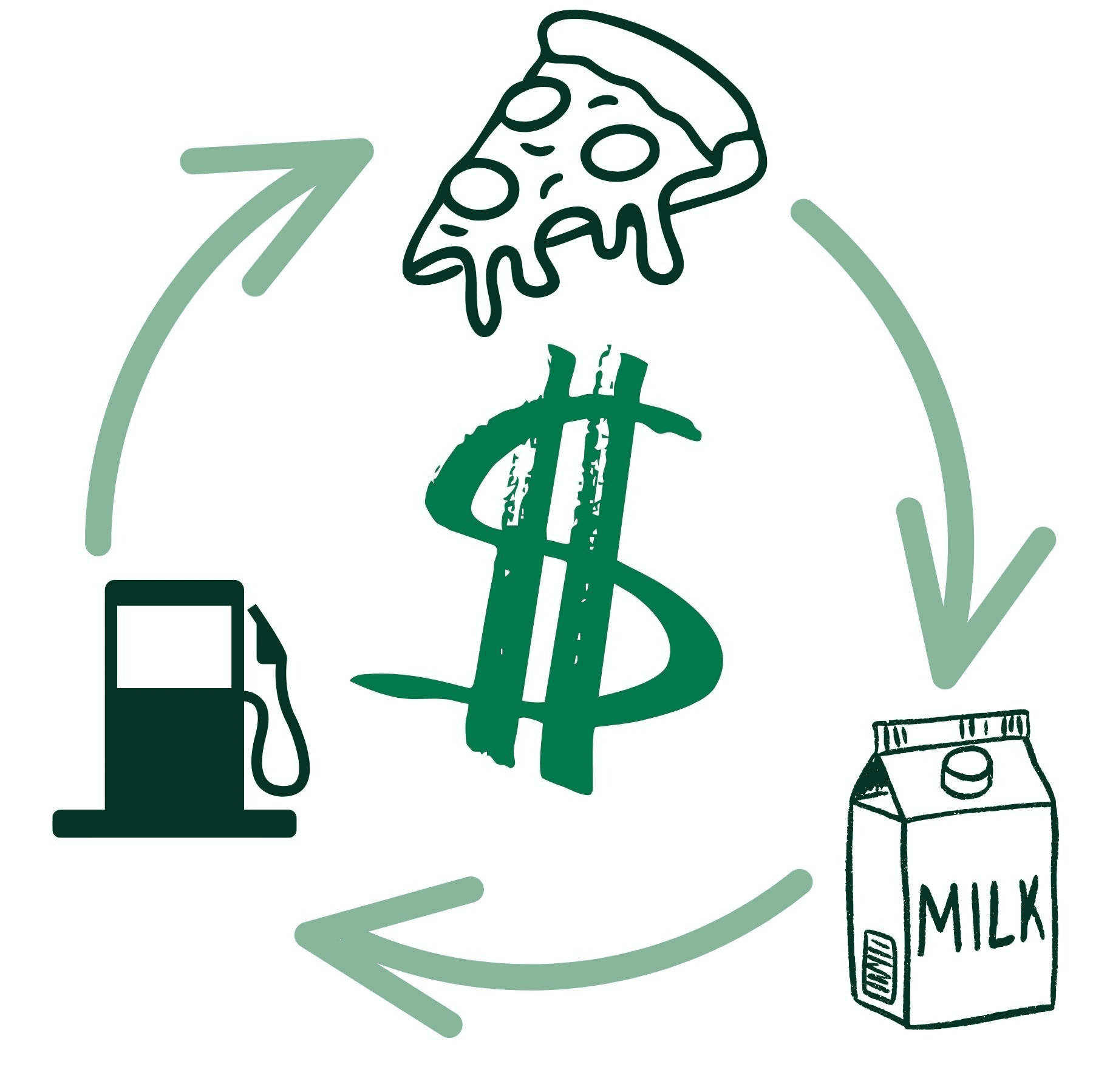
The company sees an estimated 700+ million customer transactions annually***. That's hundreds of millions of times someone pulls off the highway, grabs gas, buys a slice of pizza, or picks up milk on the way home. It's far from glamorous but it sure is consistent.
And consistency is where compounding lives.
None of these companies depend on excitement, they depend on routine behavior and being frictionless to the consumer. This is what allows revenue to grow, earnings to build, and long-term shareholders to benefit from steady mathematics rather than big headlines.
In a culture that constantly rewards stimulation, the real advantage may belong to those willing to embrace discipline instead of distraction. Our job is to help our clients own great businesses, ignore the noise, and allow time to quietly do the heavy lifting.
In investing, as in life, boring done well over a long period of time can become something extraordinary.
Sources:
*https://usa.visa.com/content/dam/VCOM/global/about-visa/documents/aboutvisafactsheet.pdf
**https://stockdividendscreener.com/discount-stores/costco/revenue-breakdown/
***https://investor.caseys.com/
Thanks for reading,
Daniel Westergaard